





















7 October, 2026



Choosing the right surface material is an important part of any interior project. While color, pattern, and finish often receive the most attention, the size of the slab can have an equally significant impact on the final appearance and installation.
Porcelain slab sizes are available in a variety of formats to suit different applications, from kitchen countertops and bathroom walls to flooring and large feature surfaces. Choosing the right dimensions can help reduce visible joints, improve design continuity, and make better use of the available space.
For architects, interior designers, contractors, and homeowners, understanding porcelain slab dimensions, thickness, application requirements, and installation considerations can make the selection process easier.
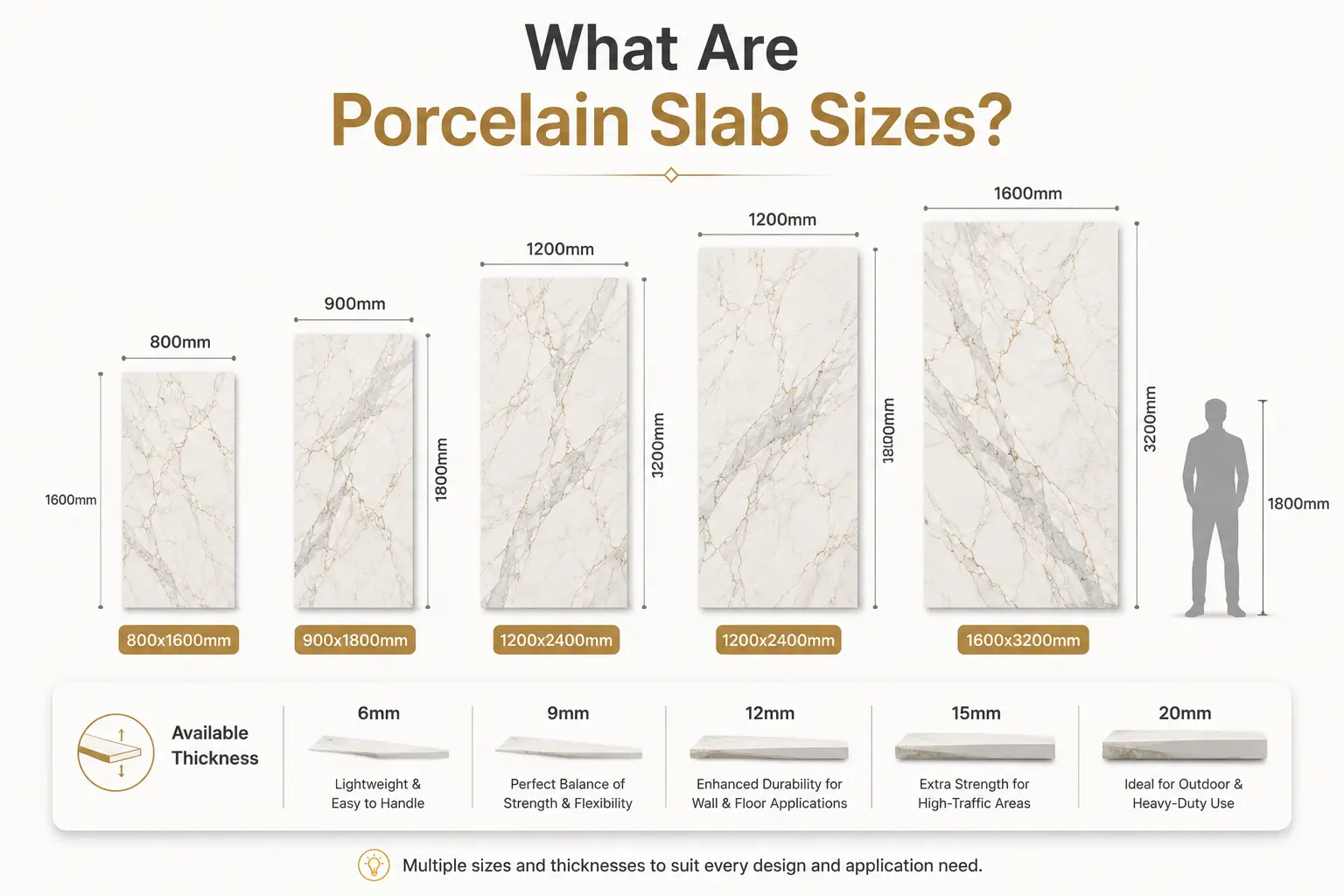
Porcelain slab sizes refer to the overall dimensions of a large-format porcelain surface. Unlike traditional porcelain tiles, which are generally smaller and installed individually, slabs are manufactured in much larger formats.
The larger surface area allows designers to cover substantial sections of a wall, floor, countertop, or other surface with fewer individual pieces.
The right porcelain slab format depends on several factors, including:
There is no single size that works for every project. The ideal format depends on the dimensions and requirements of the space.
Manufacturers offer different formats depending on their production capabilities and product collections. Common large-format dimensions can include sizes such as 1200 × 2400 mm, 1200 × 2600 mm, 1200 × 2800 mm, 1200 × 3000 mm, and other larger formats.
Exact availability varies by manufacturer and collection.
Large surfaces are especially useful when the objective is to create a visually continuous appearance. A larger slab can cover more area while reducing the number of joints compared with conventional tiles.
When comparing porcelain slab measurements, buyers should look beyond dimensions alone and consider the usable surface after cutting and installation.
Size is only one part of slab selection. Porcelain slab thickness also plays an important role in determining where a product can be used.
Different thickness options may be designed for different applications. Thinner formats can be suitable for certain wall and decorative applications, while thicker slabs may be selected for flooring or countertop applications depending on the manufacturer's specifications.
Before choosing a slab, always verify:
The appropriate slab thickness options should always be determined according to the intended use rather than selecting thickness based solely on appearance.
Large format porcelain slabs have become increasingly popular because they provide greater design flexibility and can create a more seamless appearance.
Traditional tiles require numerous grout joints, which can visually divide a surface. Large slabs reduce the number of individual pieces and can therefore create broader uninterrupted areas.
This can be particularly effective for:
The larger the surface, the more important proper planning becomes. Slab dimensions should be considered alongside access, handling, cutting, and installation requirements.
Choosing the right slab size begins with understanding the dimensions of the installation area.
1. Measure the Installation Area
Accurate measurements are essential. Measure the length, width, height, corners, openings, and other architectural elements that may affect slab placement.
2. Consider the Desired Visual Effect
If the goal is a seamless surface with minimal joints, a larger format may be preferable. If the space has multiple corners or small sections, smaller or carefully cut formats may be easier to manage.
3. Check Product Specifications
Not every slab is suitable for every application. Check the manufacturer's recommended uses, thickness, surface finish, and technical specifications.
4. Plan the Cuts
A good installation plan can help reduce unnecessary waste. The layout should account for doors, windows, sinks, outlets, corners, and other openings.
5. Consider Handling and Access
Large slabs can be heavy and require specialized handling equipment and sufficient access to the installation area.
Kitchen countertops require careful consideration of both dimensions and performance. Porcelain slab sizes for countertops should be selected according to the countertop layout, cabinet dimensions, sink cutouts, hob openings, and edge details.
Large-format slabs can be particularly useful because they may allow designers to create expansive countertop surfaces with fewer joints.
For kitchen projects, consider:
If using kitchen countertop slabs with a marble-inspired pattern, the orientation of the veining should also be considered during layout planning.
Porcelain slab sizes for walls can dramatically influence the visual character of a room. Large wall slabs can create a continuous surface with fewer grout lines, making them suitable for modern and minimalist interiors.
They can be used for:
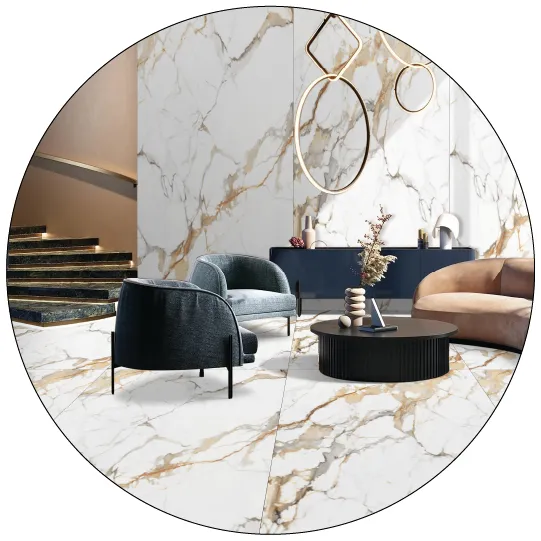
Large wall surfaces can also showcase the design of marble look porcelain slabs, particularly when the pattern includes flowing veins or natural stone-inspired movement.
Flooring applications require careful consideration of dimensions, thickness, surface finish, and installation requirements.
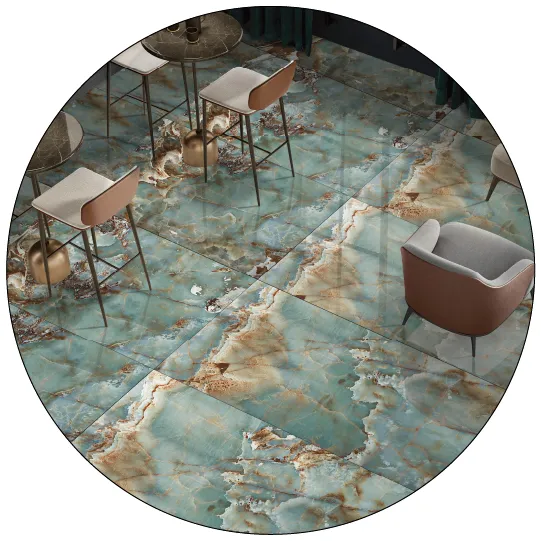
Porcelain slab sizes for floors can help create expansive surfaces with fewer joints. This can make large rooms appear visually more continuous.
Large-format flooring can be suitable for:
Before selecting a floor slab, confirm that the specific product is designed and rated for the intended flooring application.
The dimensions of a slab influence the installation process. Larger slabs require careful transportation, positioning, cutting, and handling.
Professional installers typically consider the complete layout before beginning installation. This helps determine where joints will be positioned and how the slab should be cut around architectural features.
Porcelain slab cutting may be required around:
Accurate cutting is important because large-format surfaces can make design inconsistencies more noticeable.
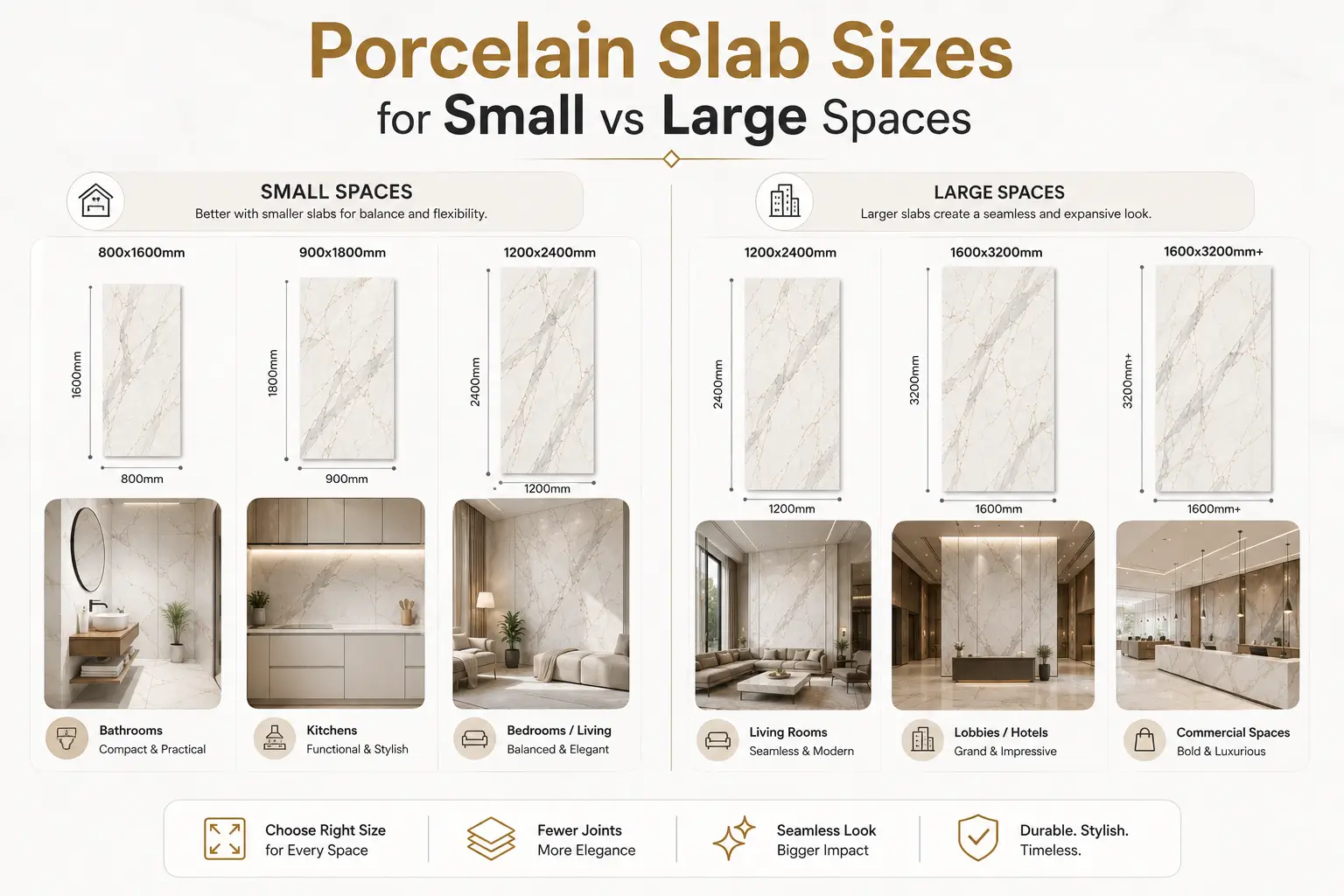
The largest available slab is not automatically the best choice for every room.
Small Spaces
In compact bathrooms, kitchens, or narrow areas, the slab should be selected based on access and layout. A large format can still create a seamless appearance, but installation may require more precise cutting.
Large Spaces
Large rooms provide more opportunities to showcase the full pattern of a slab. Large porcelain slabs can cover substantial surfaces while reducing the number of joints.
For open-plan interiors, larger formats can help establish visual continuity between different areas.
One of the key design advantages of large-format surfaces is the potential to reduce visible grout lines.
Traditional tile installations can create a strong grid pattern because many individual tiles are installed across a surface. With larger slabs, fewer pieces are required.
This supports a seamless surface design that works particularly well in contemporary interiors.
Reduced joints can be especially effective when using marble-inspired designs because the pattern can flow across a larger area without being interrupted by numerous grout lines.
Different areas have different requirements, so the ideal format should be selected according to the application.
| Application | Key Size Considerations |
|---|---|
| Kitchen Countertops | Counter depth, cutouts, thickness, handling |
| Bathroom Walls | Wall dimensions, corners, openings, access |
| Flooring | Room dimensions, thickness, surface finish |
| Feature Walls | Visual scale, pattern direction, wall dimensions |
| Backsplashes | Counter length, height, outlets, cuts |
| Commercial Spaces | Coverage, handling, installation logistics |
The right interior slab applications depend on the technical characteristics of the specific product.
Jumbo porcelain slabs can create a strong visual impact in large interior spaces. Their extensive surface area allows designers to showcase patterns and textures on a larger scale.
This can be especially valuable when working with porcelain marble slabs. Veining can flow across the surface and become an architectural feature.
Other design benefits include:
For luxury projects, these characteristics can help create sophisticated environments with a clean architectural aesthetic.
When choosing a slab, dimensions should not be considered independently. The material, finish, thickness, application, and installation method all influence the final selection.
For example, a premium porcelain slab may be selected for a luxury interior because of its combination of design and technical characteristics. However, the specific product should still be evaluated according to the intended application.
Consider the following before purchasing:
Slab Dimensions
Confirm the overall size and usable dimensions.
Thickness
Select the appropriate thickness according to the application and manufacturer's recommendations.
Finish
Choose between polished, matte, textured, or other available finishes based on the desired aesthetic and use.
Pattern
For marble-inspired products, consider vein direction and pattern continuity.
Installation
Ensure that qualified professionals are available to handle and install the slab correctly.
Transportation
Large slabs require appropriate packaging, transportation, handling, and site access.
Understanding surface coverage can help estimate how many slabs may be required for a project.
First, calculate the total area of the surface being covered. Then compare that measurement with the usable area of the selected slab.
However, the final quantity should also account for:
For complex projects, professional measurement and layout planning can provide a more accurate material estimate.
Modern interiors often favor simplicity and visual continuity. Seamless interiors can make rooms feel cleaner, more spacious, and more sophisticated.
Large-format porcelain contributes to this concept by reducing the number of joints and allowing a single pattern to cover larger sections.
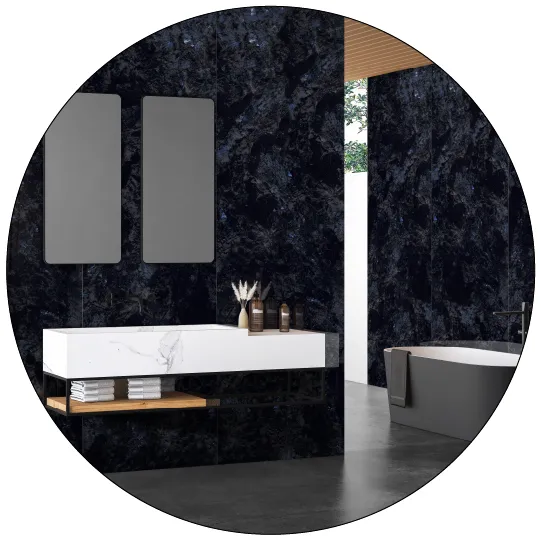
For example, a marble-inspired slab can be used across a bathroom wall and vanity area to create a connected visual effect. Similarly, coordinated slabs can be used across a kitchen countertop and backsplash.
This approach allows the surface itself to become an important element of the overall architecture.
Buy Best Porcelain Slab Marble
Choosing the right porcelain slab sizes is an important step in creating a successful interior surface design. The ideal format should balance visual appeal with practical considerations such as application, thickness, installation, handling, cutting, and surface coverage.
Large format porcelain slabs can create seamless interiors with fewer visible joints, while carefully selected dimensions can help maximize material efficiency and showcase marble-inspired patterns. IBIS Smart Marble offers thoughtfully designed porcelain slab solutions that combine contemporary aesthetics with versatility for a variety of interior applications.
Whether you are selecting porcelain slabs for countertops, walls, flooring, or decorative applications, choosing the right format can have a significant impact on the final result. With IBIS Smart Marble, architects, interior designers, and homeowners can explore porcelain slab formats suited to creating sophisticated, functional, and visually cohesive spaces.
Common formats vary by manufacturer. Large-format options can include dimensions such as 1200 × 2400 mm and larger formats, but exact sizes depend on the product collection.
There is no universal thickness for every application. The appropriate thickness depends on whether the slab is being used for walls, floors, countertops, or another purpose. Always follow the manufacturer's recommendations.
Some large-format slabs are specifically designed for countertop applications. Check the technical specifications, thickness, support requirements, and installation guidelines before use.
Yes. Suitable porcelain slabs can be used for wall applications, including feature walls, bathrooms, kitchens, hotels, and commercial interiors.
Not necessarily. Larger slabs can provide fewer joints and stronger visual continuity, but the ideal size depends on the room, installation area, access, handling requirements, and intended application.

Whatsapp Chatx
Hi! Click one of our representatives below to chat on WhatsApp or send us email to info@ibissmartmarble.com

|
Contact Us +91 95812 95812 |