












7 October, 2026


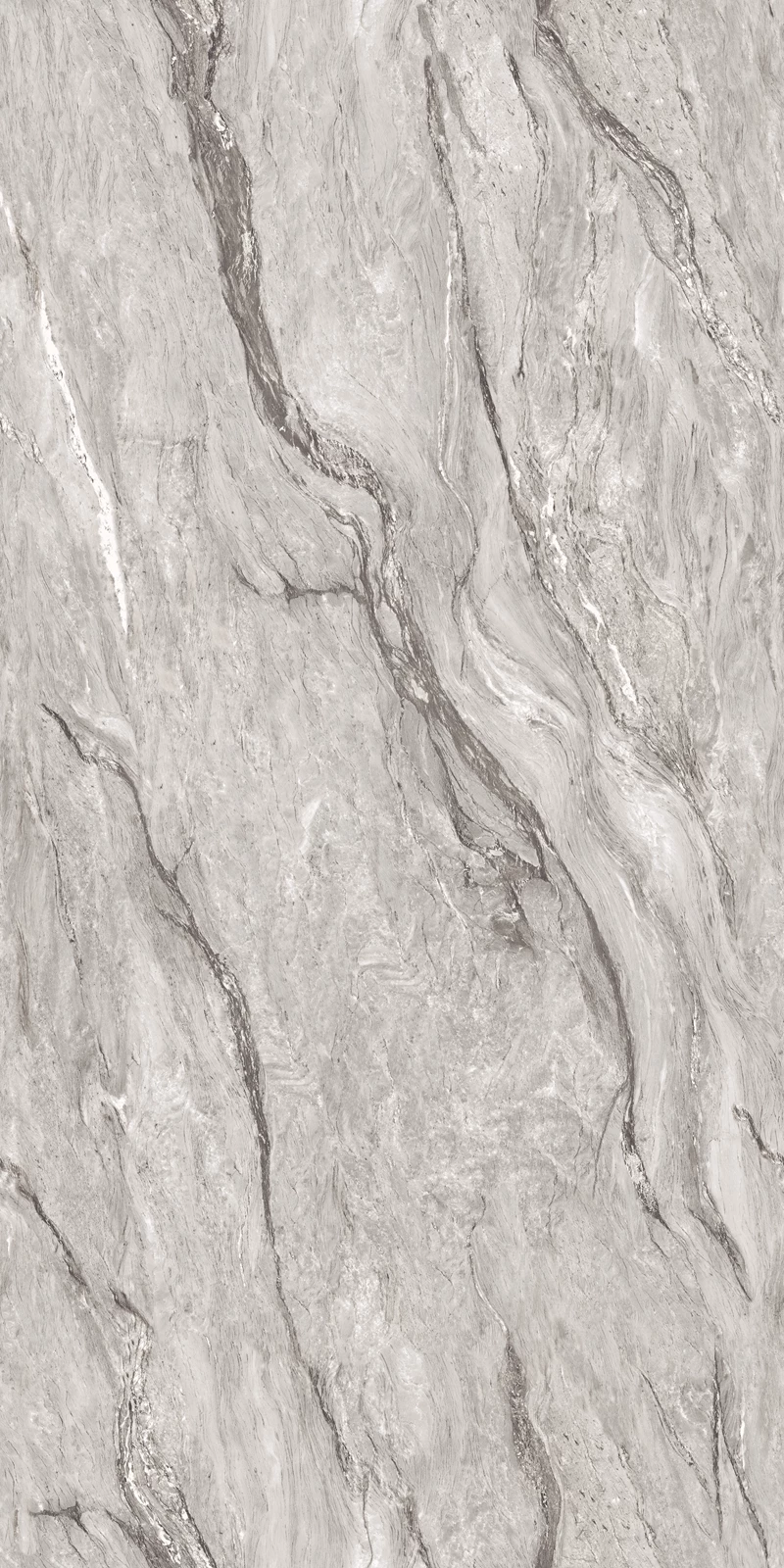
The finish of a marble slab affects far more than its shine. It changes how the stone reflects light, how the veins appear and how easy the surface is to clean. It can also influence scratch visibility and suitability for wet or busy areas.
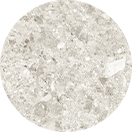
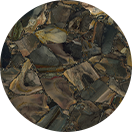
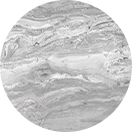
Popular marble slab finishes include polished, honed, carved, leathered, brushed and sandblasted surfaces. Each has clear benefits and limits. The right choice depends on whether the marble will be used on a wall, floor, countertop or decorative feature.
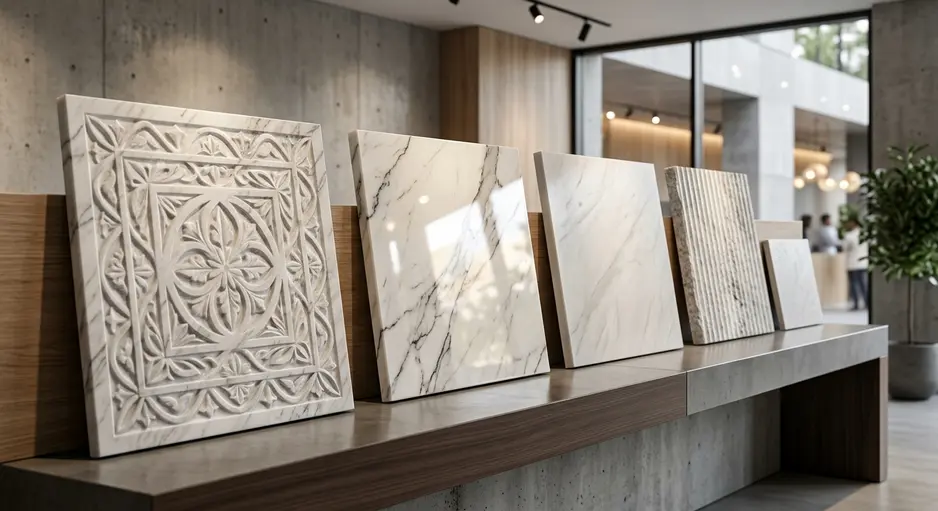
A marble finish is a mechanical or decorative treatment applied to the face of the stone. Grinding, polishing, brushing, blasting or carving can alter its sheen and texture without changing the marble variety itself.
Finishing can affect colour intensity, light reflection, tactile surface texture and the visibility of scratches or etching. It may also influence cleaning needs and slip considerations. However, a surface finish is different from the marble colour, edge profile and protective sealer.
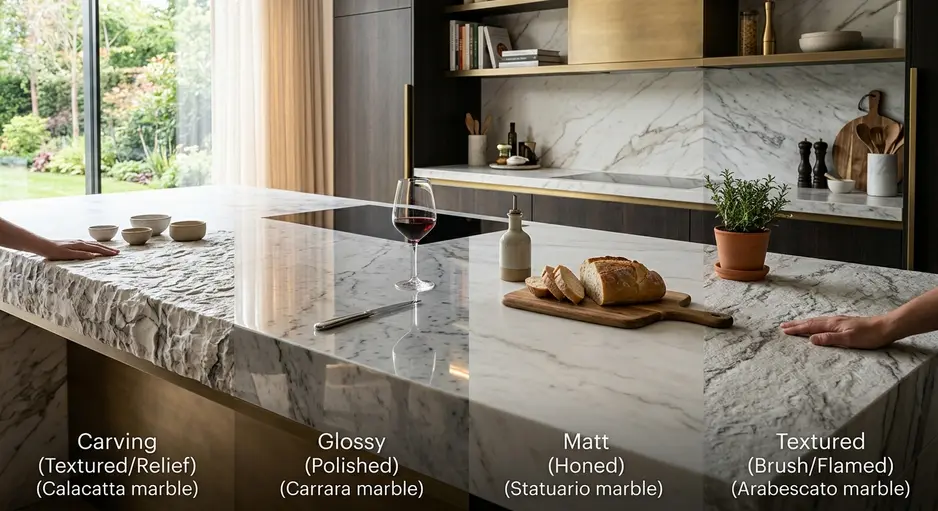
Yes. A polished finish tends to deepen colours and make veining more vivid. A honed surface creates a softer, more natural stone appearance. Carving adds depth, shadows and a tactile pattern that can transform a slab into a decorative feature.
Appearance: Reflective and smooth with a high gloss surface.
Best uses: Walls, vanities, reception spaces and selected dry floors.
Consider: Etching, fingerprints and fine scratches may be easier to see.
Appearance: Smooth with a low sheen finish.
Best uses: Floors, bathrooms, worktops and modern wall cladding.
Consider: Some light stones may show oils or dark spills more clearly.
Appearance: Raised, recessed, fluted or patterned.
Best uses: Feature walls, lobbies and decorative panels.
Consider: Grooves can collect dust and require careful cleaning.
Appearance: Muted, gently weathered and textured.
Best uses: Countertops, accent walls and natural interior schemes.
Consider: Deep textures may retain dirt if not cleaned regularly.
Appearance: Rough, uniform and matt.
Best uses: Specialist flooring and selected exterior applications.
Consider: Suitability varies by marble type and project conditions.
Performance depends on more than the finish. Marble density, mineral composition, fabrication quality, installation and care all matter. A finished sample of the selected stone provides better guidance than a generic display sample.
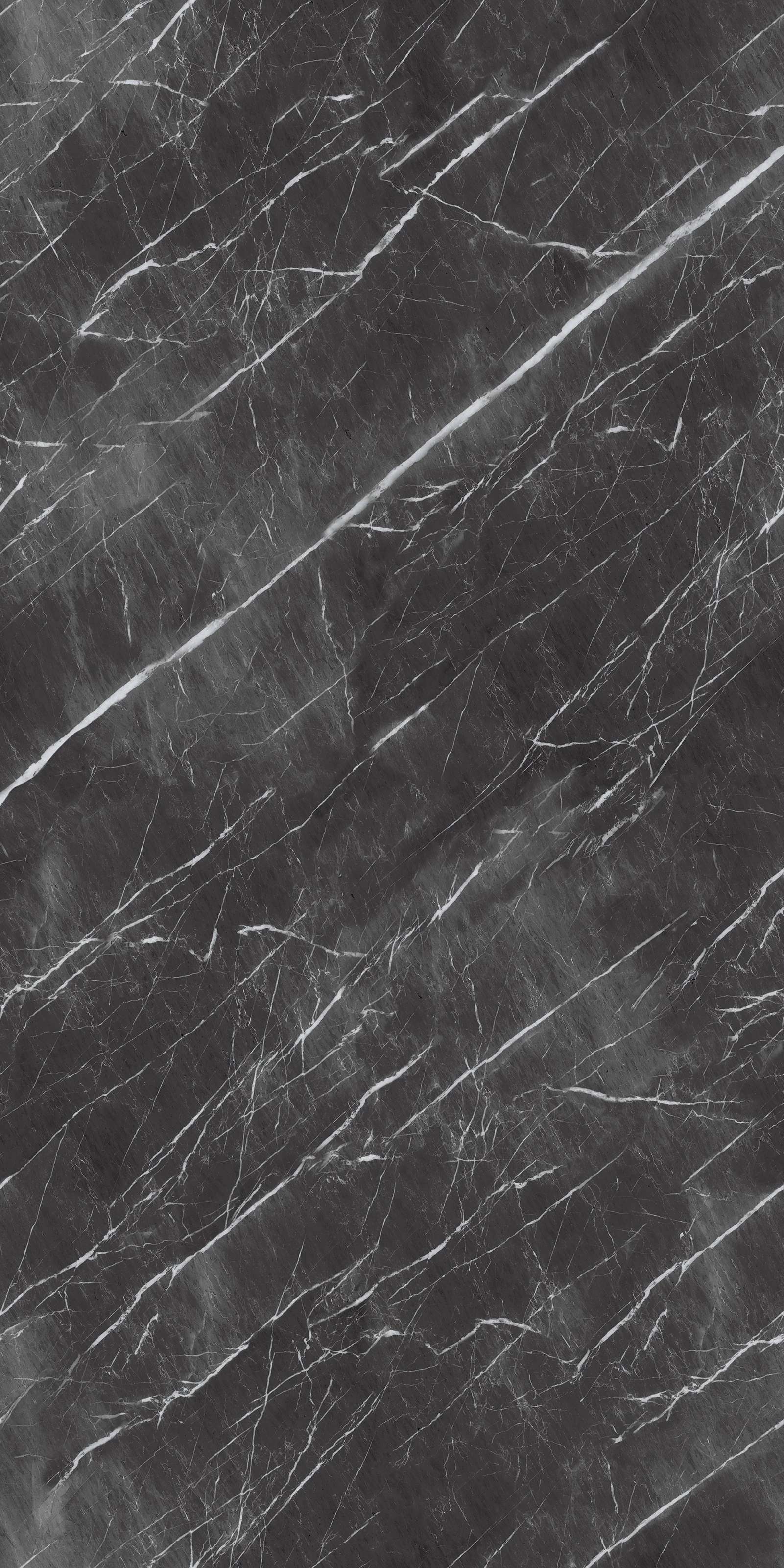
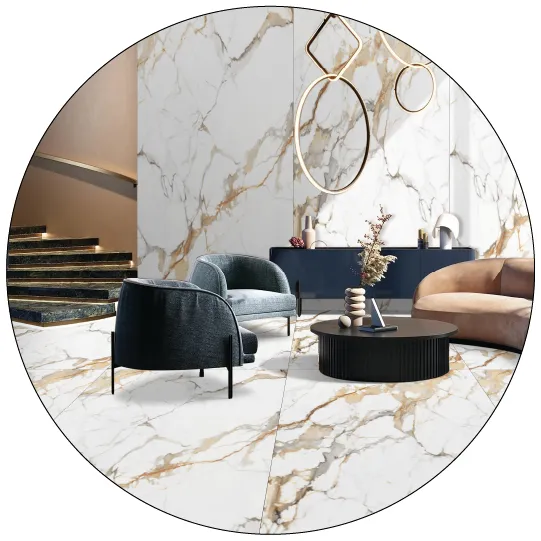
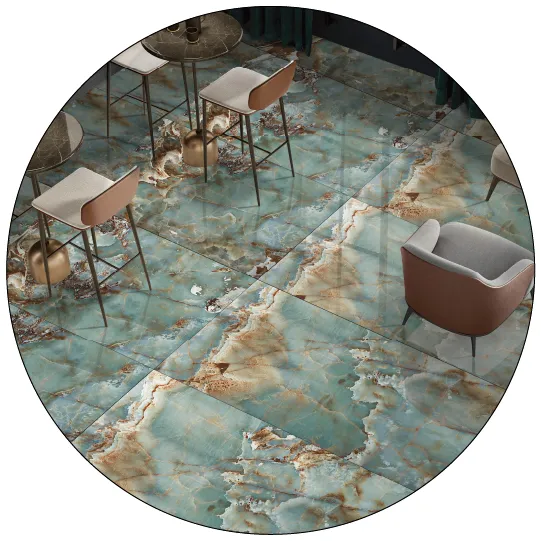
Mechanical polishing creates a smooth polished surface that reflects light. It can make veins look sharper and colours appear richer. For this reason, glossy marble slabs are often used in luxury interiors, reception areas, fireplace surrounds and bathroom wall applications.
Polished marble slabs are also relatively easy to wipe because the face is smooth. Yet polishing does not make marble acid-resistant. Lemon juice, wine, vinegar and acidic cleaners can leave dull etch marks. Fine scratches may also stand out on a reflective marble surface.
Polished flooring can become slippery when wet. Its use should be assessed against traffic, contaminants, local requirements and the needs of each project.
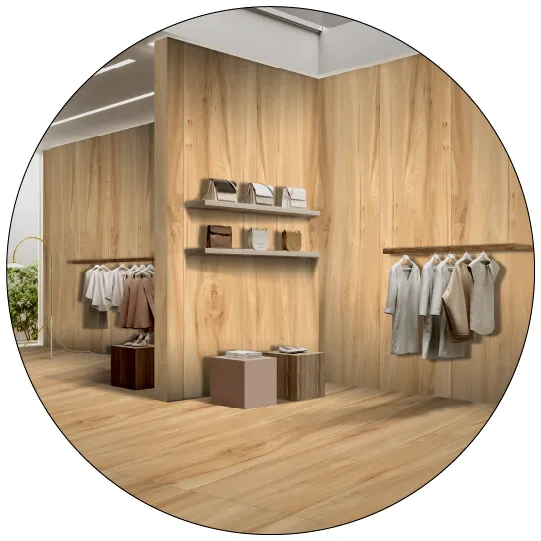
A honed marble finish is smooth but has little or no reflection. The terms “matt” and “matte” are often used for this appearance. Matt marble slabs suit contemporary floors, bathrooms, countertops and minimalist wall designs.
The softer surface reduces glare and can make minor wear less obvious than it would be on glossy stone. This makes honed marble a popular marble finish for modern interiors.
Honed stone is not stain-proof. Oils and coloured liquids may be noticeable, depending on the marble’s absorption and colour. A fabricator can test the stone and advise whether a penetrating sealer is suitable. Sealers can reduce absorption, but they do not stop acid etching.
Carving marble slabs turns the stone into a three-dimensional design element. CNC equipment can form precise geometric lines, fluting and repeated patterns. Hand finishing may then refine edges or add custom details.
A carved marble texture works well on hotel lobby walls, headboard panels, reception backdrops and prayer or meditation spaces. Side or concealed lighting can highlight the relief and create changing shadows throughout the day.
These decorative marble slab finishes are generally not suitable for food-preparation surfaces. Grooves can trap crumbs, grease and moisture. They are also uncommon on floors because raised or recessed patterns can affect comfort, cleaning and safety.
Leathered marble has a softly textured face and a muted sheen. It can hide fingerprints and minor marks while keeping much of the stone’s natural character. Brushed or antiqued surfaces have a more weathered look, making them suitable for rustic and transitional interiors.
Names and production methods vary among fabricators. Always approve a physical sample rather than choosing from the finish name alone.
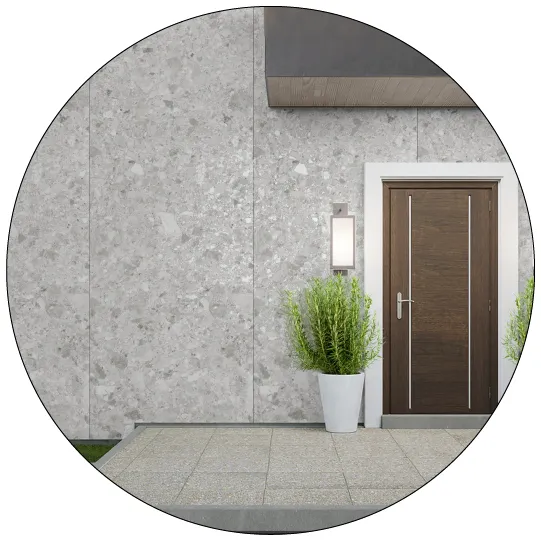
Sandblasting uses abrasive action to create a rough, even face. Bush-hammered and other specialist methods can produce a stronger textured stone surface. These options may add visual depth and improve grip in certain conditions.
Not every marble responds well to aggressive processing. Confirm the proposed treatment with the fabricator and inspect a finished sample for colour, texture and surface consistency.
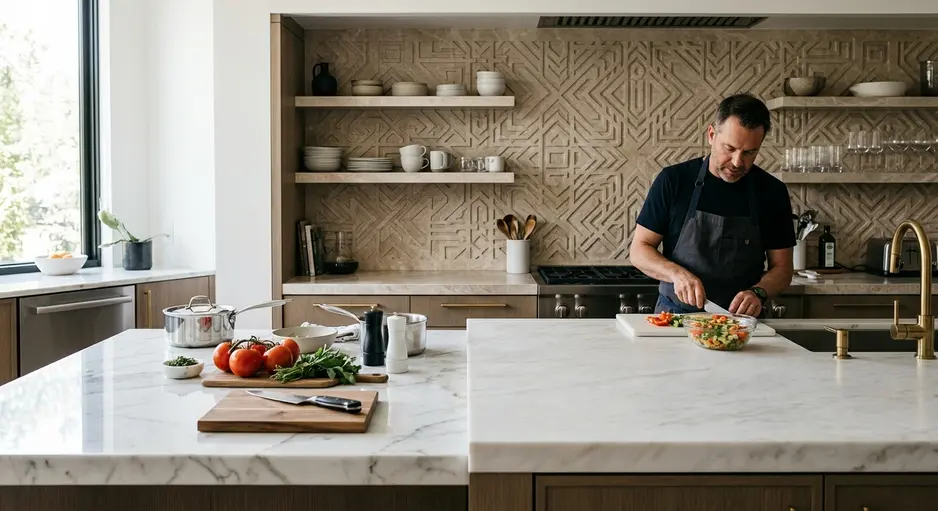
Polished marble slabs for walls reflect light and create a bold focal point. Honed stone feels calmer and works well in modern rooms. Carved or fluted panels add depth to feature walls, although they need more detailed cleaning.
Consider the viewing distance and lighting direction. Grazing light reveals texture, while diffused light helps control glare on glossy stone.
Honed or appropriately textured marble slabs for flooring are often considered for busy or moisture-prone areas. Polished stone may suit formal, dry rooms when the installation meets project requirements.
No finish should be described as automatically non-slip. Slip performance depends on the specific stone, surface treatment, water, soap, footwear and cleaning routine. Wet-area flooring should be assessed by the project team using relevant safety requirements.
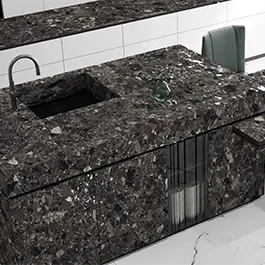
Polished marble slabs for countertops offer vibrant colour and easy wiping. Honed and subtly leathered surfaces provide less glare and may make light wear less visible.
All marble remains sensitive to acidic food and drink. Use cutting boards, coasters and trivets, and blot spills promptly. A countertop surface finish can change how etching looks, but it cannot prevent the chemical reaction.
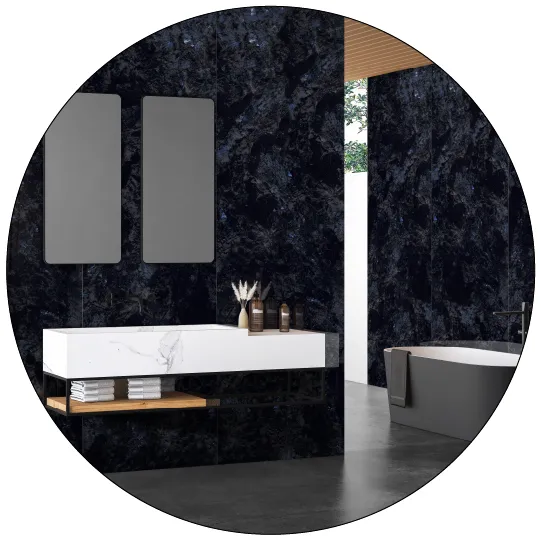
Polished marble can brighten bathroom walls and vanity areas. Honed or project-tested textured surfaces are often considered for floors. Water marks, soap residue, ventilation and cleaning frequency should form part of the decision.
Honed, leathered and lightly textured surfaces can make minor wear less visible. A polished face often reveals dull etch marks because they interrupt its reflection. No finish offers complete scratch resistance or protection from acids.
Directional light highlights grooves and carved patterns. Soft, diffused light reduces sharp reflections from glossy marble. Test the lighting with a full-size mock-up because small samples may not show the final effect.
Review samples in daylight and artificial light. For book-matched walls, approve the full slab layout before cutting. Natural variation is expected, so check colour, veins and repaired areas across the complete batch.
Natural Stone Institute care guidance supports stone-safe cleaning and suitable product selection. ASTM C503/C503M covers dimensional marble requirements, but project teams must also consider installation, safety and application-specific standards.
Explore available marble slabs and decorative surface options from Ibis Smart Marble, then request samples or technical guidance for your application.
The best marble slab finish types balance design with daily use. Polished marble delivers reflection and rich colour, matt stone offers quiet elegance, and carved marble creates artistic depth. Compare real samples, assess the application and plan for proper care before making a final choice.
A well-selected finish will reveal the marble’s character while helping the surface perform as intended for years to come.
Polished and honed are among the most widely selected options. Polished marble offers rich colour and reflection, while honed marble provides a softer look. Popularity varies by room, design style and maintenance expectations.
Polished marble is ideal when strong colour and reflection are priorities. Matt marble reduces glare and suits calm, modern spaces. The better choice depends on the application rather than appearance alone.
A smooth surface is usually easier to wipe than a deeply textured one. However, easy maintenance also depends on the marble type, installation, sealing, spill habits and cleaning products.
They may be suitable for selected dry interior spaces. Traffic, moisture, footwear and local safety rules must be reviewed. Polished marble can become slippery when wet.
Carved marble is better suited to backsplashes and decorative walls than food-preparation areas. Deep grooves can collect residue and make routine cleaning harder.

Whatsapp Chatx
Hi! Click one of our representatives below to chat on WhatsApp or send us email to info@ibissmartmarble.com

|
Contact Us +91 95812 95812 |