



















7 October, 2026



UAE projects often need surfaces that combine a premium look with simple daily care. This is especially true for villas, hotels, apartments, restaurants, offices and retail spaces. Marble-look porcelain offers elegant veining while meeting the practical needs of busy interiors.
Choosing a porcelain marble slab exporter from India to UAE involves more than finding an attractive pattern. Buyers should review slab dimensions, thickness, finish, face variation, packing and fabrication needs. This guide explains what UAE architects, importers, contractors and procurement teams should check before ordering.

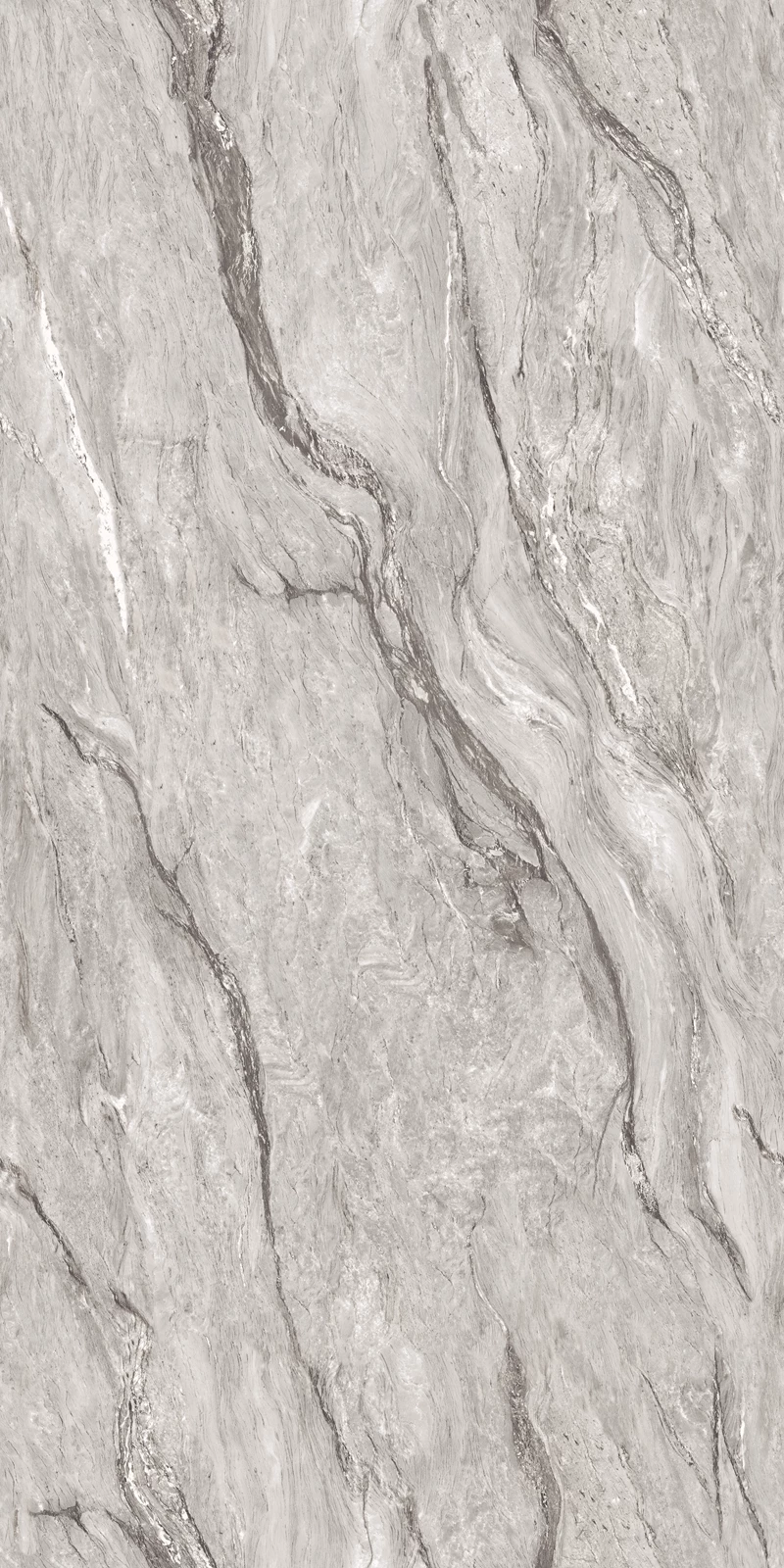
Modern surface printing can create a veined marble appearance with controlled colour and pattern variation. Designs may range from soft, fine veins to bold statement patterns. This gives designers more freedom when planning kitchens, bathroom walls, reception areas and other luxury interior spaces.
Unlike natural marble, which has unique geological variations, manufactured slabs can offer more predictable design options. However, the number of faces and vein changes can differ between collections. Buyers should review full-slab images instead of relying on a small sample.
Porcelain is commonly selected for areas exposed to water, food and daily cleaning. A product with documented low water absorption can be useful for kitchen countertop applications, bathroom wall applications and hospitality interiors.
A tested stain resistant surface can also simplify routine care. Yet performance depends on the specific product and finish. Buyers should request the relevant technical sheet and follow the supplied cleaning instructions. Spills should still be removed promptly, especially around joints and cut-outs.
Thin porcelain may act as a lightweight alternative to natural marble of a similar surface area. It can be considered for wall cladding, cabinet panels, furniture and renovation work. Actual weight depends on slab thickness and size, so the project team must calculate structural and handling needs before installation.
Porcelain slabs for countertops can be used on kitchen islands, worktops, backsplashes and vanity tops. Their marble-inspired patterns help create a coordinated look across vertical and horizontal surfaces.
Although porcelain is often considered a heat resistant countertop material, hot cookware should not be placed directly on the surface. A trivet reduces the risk of thermal stress and also protects adhesives, joints and nearby materials.
Countertop planning must include sink and hob cut-outs, edge profiles, support, seams and overhangs. A scratch resistant slab surface can handle normal use, but it is not damage-proof. Cutting boards remain important, and heavy objects should not be dropped on exposed edges.
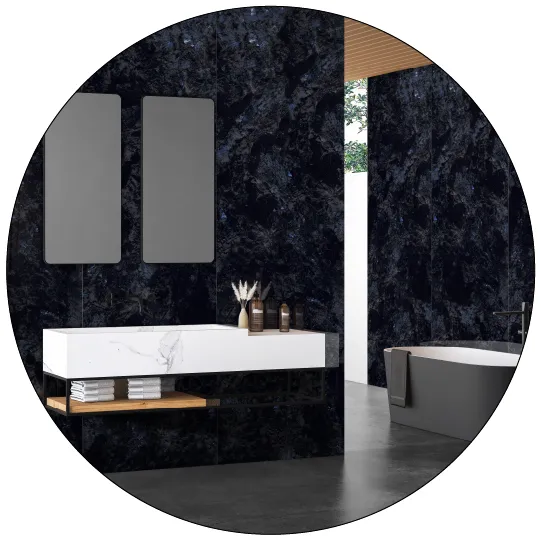
Large format porcelain slabs can cover broad wall areas with fewer visible joints. This makes them suitable for shower surrounds, vanity walls, lift lobbies and decorative features. Fewer grout lines may also make routine cleaning easier.
The substrate must be flat, stable and suitable for the slab system. Correct adhesive coverage, lifting equipment and any required mechanical support are essential. The installer should follow the product guidance and the project consultant’s requirements.
Porcelain marble slabs for residential and commercial projects can support many design styles. A Dubai villa may use a marble-look island and matching splashback. An Abu Dhabi hotel may use large slabs across bathroom walls. Retail stores, restaurants and offices can use them for counters, tables and feature panels.
Application suitability must always be confirmed for the selected collection. A slab intended for vertical cladding may have different support needs from one used on a busy countertop.
Large slabs create a broad visual field and allow marble-style veins to flow across a surface. They may also reduce the number of joints. This is useful on islands, wall panels and reception counters where visual continuity matters.
Slab thickness and size options vary by product range. Before placing an order, request a specification sheet that confirms:
There is no single thickness that works for every project. Thin formats may suit walls, doors and furniture panels. Countertops may require a different format, substrate or edge build-up. Span, cabinet support, edge design and cut-outs also affect the choice.
The final decision should involve the supplier, project consultant and fabricator. Avoid selecting thickness based only on appearance or a previous natural-stone project.
A polished slab surface reflects more light and can add a bright, luxurious feel. It may also show fingerprints, glare or cleaning marks more readily in some settings. A matte slab surface creates a softer look and may suit modern kitchens, bathrooms and commercial interiors.
Ask for finish samples and view them under the project’s lighting. The same pattern can appear different under warm indoor lights, direct sunlight and showroom lighting.
Bookmatch porcelain slabs use adjoining faces to create a mirrored vein arrangement. This can produce a striking feature wall or island front. Successful bookmatching requires the correct faces, careful cutting and a dry layout before installation.
Buyers should approve face numbers and full-slab images before dispatch. The packing sequence should also be clear so the installer can identify the planned arrangement.
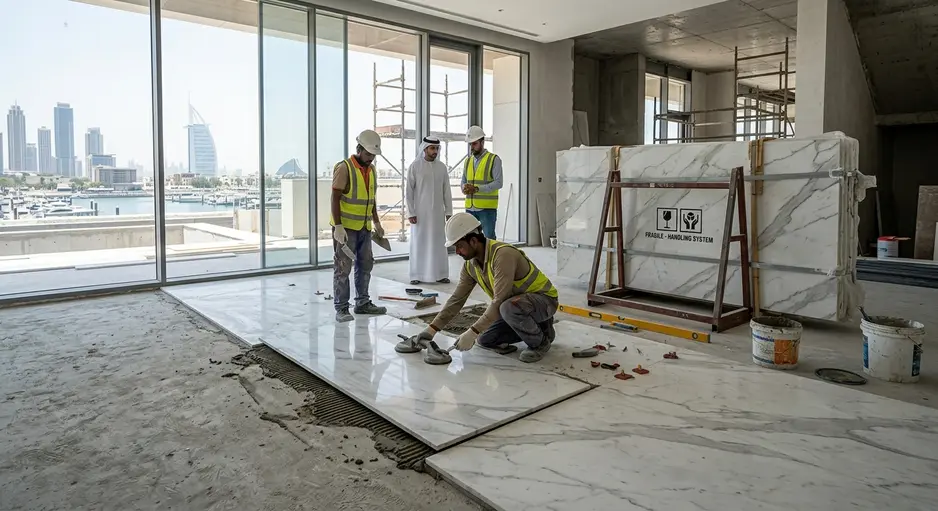
A reliable porcelain marble slab exporter to UAE should clearly explain how slabs are checked before packing. The inspection should cover dimensions, thickness, shade, finish, edges and visible surface defects.
Buyers should also confirm whether the offered slabs come from one production batch. Batch control is important when several slabs will be installed in the same visible area.
Do not base a commercial order only on digital images. Ask the supplier to provide the available technical information for the exact collection being quoted. Useful items include:
Any performance claim should relate to the supplied product. General statements about porcelain should not replace collection-specific information.
Large slabs need careful support during storage and transport. Discuss the proposed slab frame or crate, edge protection, packing sequence and container-loading plan. Ask whether loading photographs and a final packing list will be provided.
The order terms should also explain insurance responsibilities and the process for reporting transit damage. Slabs should be inspected as soon as they arrive, before fabrication begins.
A detailed quotation should state the item code, dimensions, thickness, finish, quantity, packing method, delivery term and expected schedule. For bookmatched surfaces, it should also identify faces and sequence requirements.
If you are comparing a porcelain marble slab supplier in UAE with a direct Indian source, review the complete service scope. Local stock, import responsibility, technical support and delivery coordination may differ between suppliers.
A typical procurement process begins with drawings, measurements or an estimated quantity. The buyer and supplier then confirm the preferred design, finish, slab format and intended application.
Allow extra material for cutting, vein alignment, accidental damage and future replacement. The required allowance depends on the layout and fabrication plan rather than one fixed percentage.
Export documentation depends on the order, delivery term and importer requirements. The shipment paperwork may include a commercial invoice, packing list, certificate of origin, bill of lading and insurance document where applicable.
The UAE importer and clearing agent should confirm current customs, product classification and conformity requirements before dispatch. Project-specific approvals may also apply.
Delivery planning does not end at the port. The buyer should arrange suitable unloading equipment, access routes and storage frames at the warehouse or site. Slabs must remain properly supported and protected from impact.
For deliveries to Dubai, Abu Dhabi, Sharjah or other Emirates, confirm who manages clearance, inland transport, unloading and final inspection. These duties should be clear in the quotation and purchase order.
A fabricator who works mainly with natural stone may not automatically have the tools or experience required for porcelain. Ask for evidence of completed large-format work and confirm that suitable cutting, lifting and finishing equipment will be used.
Large slabs need controlled movement and support. Poor lifting methods can cause cracks before the slab reaches the cutting table or wall.
Sink openings, hob cut-outs and internal corners should be planned before cutting begins. Vein direction, seam position and edge build-up also affect the finished appearance. Where possible, approve fabrication drawings and a dry layout first.

UAE buyers may consider India when comparing marble-inspired designs, finishes, slab formats and export options. The best choice is not based on country of origin alone. Product suitability, quality checks, packing and clear communication remain more important.
When assessing a porcelain marble slab manufacturer India buyers should request confirmed information for the exact collection. This includes available designs, face variation, technical details, packing and order timelines.
Buyers considering IBIS Smart Marble can share their application, preferred design, slab size, thickness, finish, quantity and UAE destination. The team can then confirm available product details and quotation terms directly.
Before ordering, request written confirmation of the selected specification, approved face images, packing method and dispatch schedule. This creates a clear record for both the exporter and the project team.
Porcelain Marble Slab Exporter to UAE
A successful order starts with a clear specification and ends with skilled installation. Review the slab design at full scale, confirm the intended use and involve the fabricator before finalizing sizes or quantities. Packing, unloading and storage should be planned with the same care as the design.
For project-specific details, contact IBIS Smart Marble with your drawings, required finish, dimensions, quantity and delivery destination. When selecting a porcelain marble slab exporter from India to UAE, written approvals and product-specific information will help reduce risk and keep the project on track.
They can be suitable when the selected slab is approved for countertop use and is fabricated correctly. Review the available data for water absorption, stains, heat and surface wear. Use chopping boards and trivets, and clean spills with products recommended by the supplier.
Neither material is better for every project. Porcelain may offer easier daily care and more controlled designs. Natural marble offers unique variation and can develop a patina. The right choice depends on appearance, maintenance expectations, edge details, repair needs and budget.
The best thickness depends on the product range, cabinet support, span, cut-outs and edge design. The slab supplier and experienced fabricator should review the application. Do not use one standard thickness for every countertop.
Yes, when the slab is suitable and the installation system is correctly designed. The wall must be flat and stable. Adhesive coverage, movement joints, handling and mechanical support should follow the relevant product and project guidance.
Many products are designed to resist common stains and surface wear, but performance varies. Abrasive cleaners, edge impacts and misuse can still cause damage. Ask for product-specific data and care instructions before purchase.

Whatsapp Chatx
Hi! Click one of our representatives below to chat on WhatsApp or send us email to info@ibissmartmarble.com

|
Contact Us +91 95812 95812 |