


















7 October, 2026



Large format porcelain slabs are now a popular choice for modern homes, hotels, shops, offices, and public spaces. They offer the look of marble or stone across broad surfaces with fewer visible joints. Yet design is only one part of a successful project.
Architects, importers, fabricators, developers, and homeowners also need clear technical data, steady quality, secure packing, and reliable support. This guide explains what to check when comparing a porcelain slabs manufacturer or searching for a porcelain slabs exporter in USA markets.

A premium slab should provide more than an attractive surface. Buyers should review its dimensions, usable area, actual thickness, flatness, edge condition, and finish. These details affect cutting, handling, seams, and final installation.
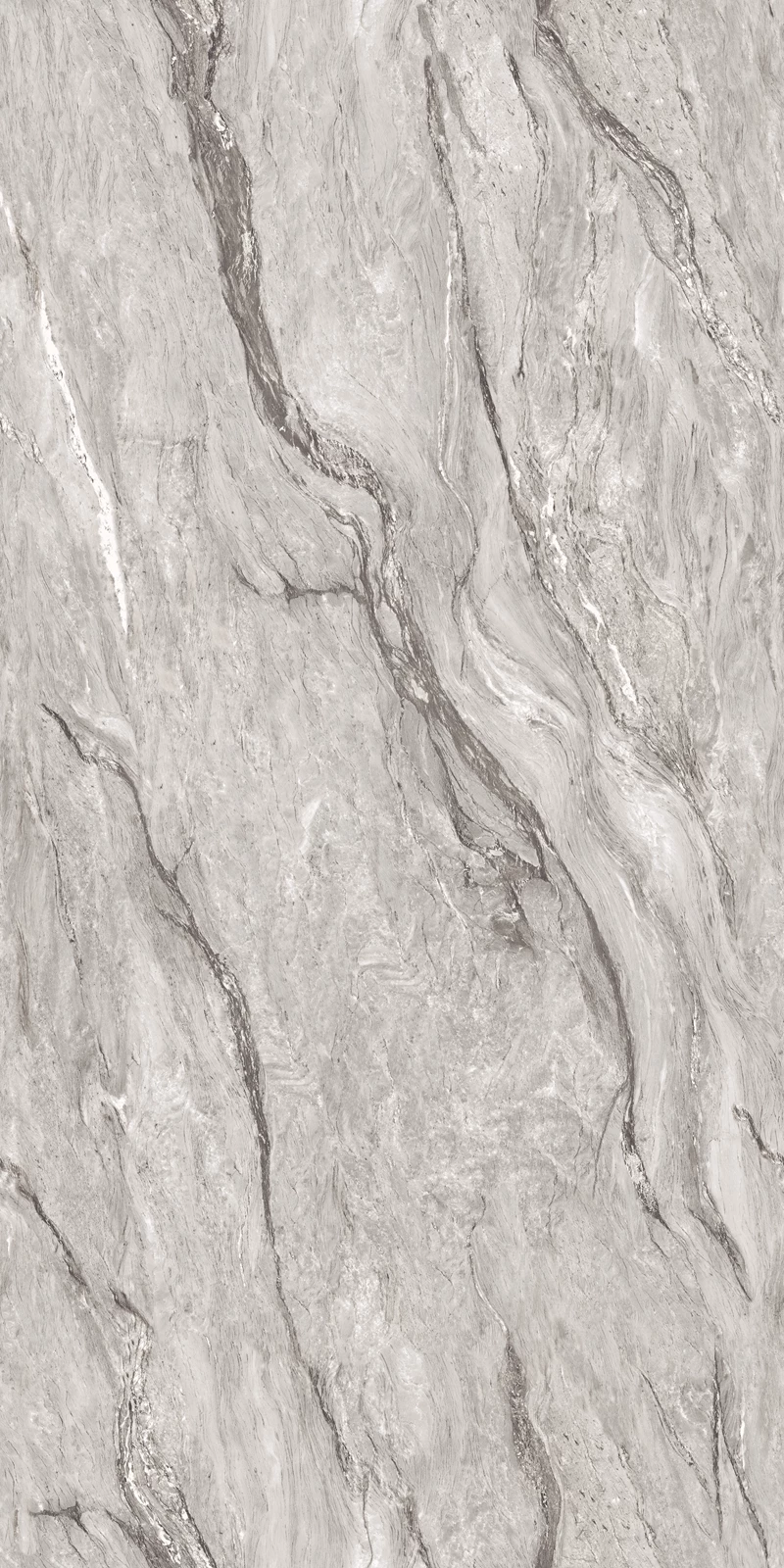
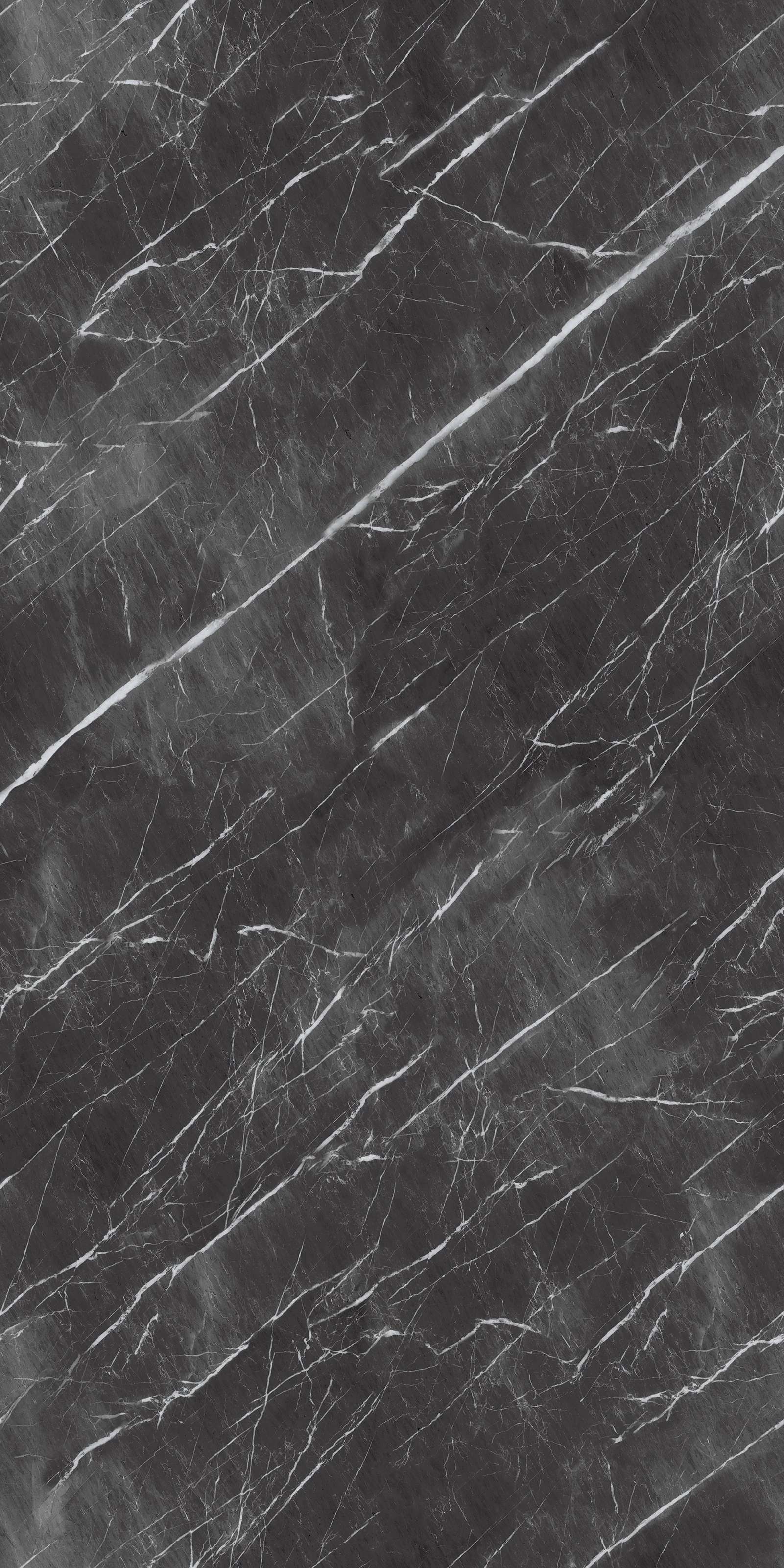
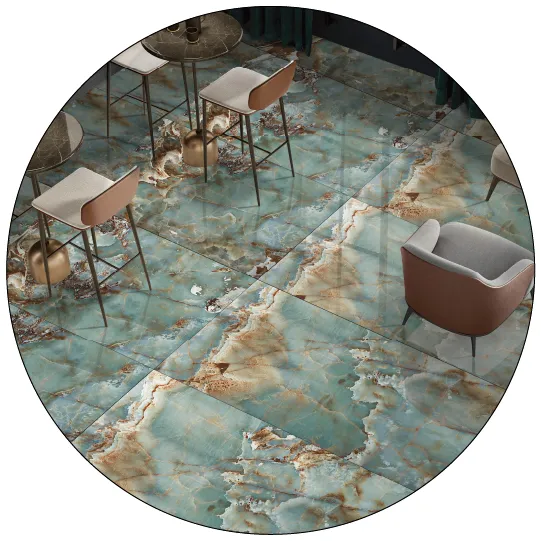
Design consistency also matters. Marble-look porcelain may include strong veins and color movement. Stone-look surfaces may have subtle changes across the pattern. Ask for full-slab images or batch photos because a small sample cannot show the complete design.
Available finishes may include polished, matte, satin, or textured options. The right choice depends on the intended use, lighting, cleaning needs, and level of foot traffic.
The term sintered surface is used for several types of products. It should not be assumed that every sintered product has the same composition or performance as porcelain. Buyers should confirm the product classification, production method, test data, and intended applications.
Marketing terms alone do not show how a slab will perform. The technical data sheet should identify the exact product, thickness, finish, test method, and reported result.
Common claims include low water absorption, stain resistance, scratch resistance, heat resistance, chemical resistance, and UV resistance. Exterior products may also need frost and weathering data.
Review results based on suitable methods, such as the ISO 10545 series or ASTM C373 for water absorption. Gauged porcelain panels may also be assessed with reference to ANSI A137.3. Always confirm which standard applies to the selected product.
Porcelain is made through controlled compaction and high-temperature firing. This creates a dense surface with low porosity. When the correct product is used, it can suit busy kitchens, bathrooms, reception areas, shops, and other high-use spaces.
The broad size of large format slabs can reduce the number of grout joints. This creates a cleaner visual flow and makes routine care easier. Day-to-day cleaning should still follow the care guide supplied for the selected finish.
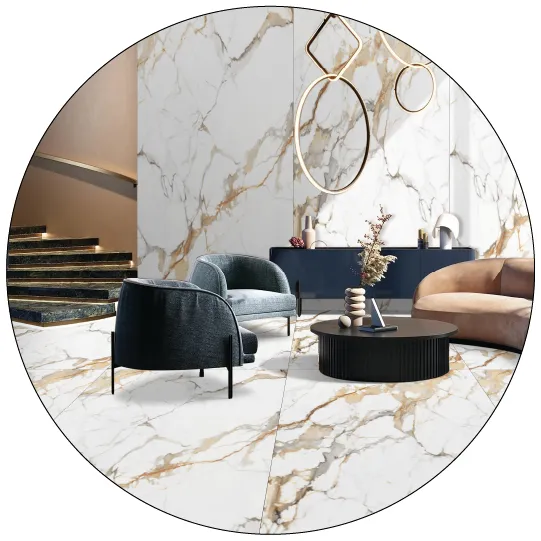
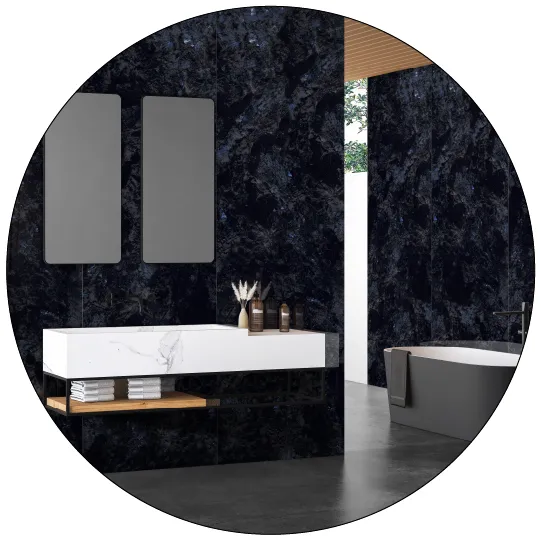
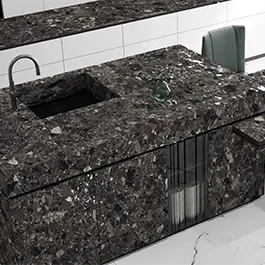
Marble-look porcelain offers the visual character of veined stone without requiring every surface to be cut from natural marble. It can help design teams coordinate countertops, wall cladding, backsplashes, bathroom surfaces, and selected floors.
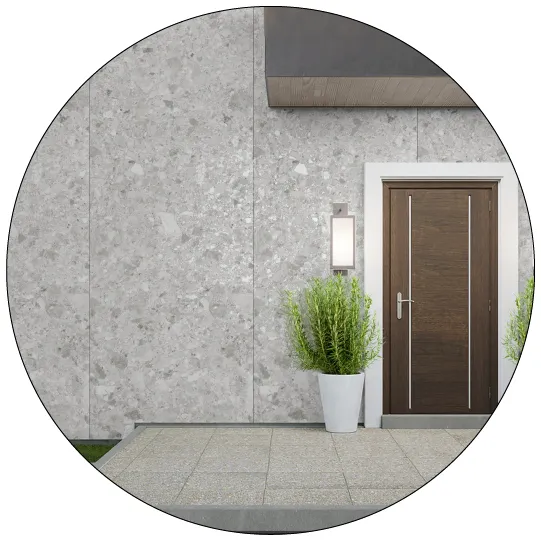
Concrete effects, subtle stone patterns, and other modern designs also suit large residential and commercial schemes. Repeatable visual options can be useful for hotels, apartments, offices, and retail projects where several spaces need a shared design theme.
Porcelain has many practical strengths, but planning is essential. Thin edges can chip if slabs are handled or cut with poor tools. Large pieces need specialist frames, lifting equipment, and trained teams. A flat and stable base is also vital.
Seams, cutouts, edge details, and support points should be agreed before fabrication. For floors, the finish must suit the expected traffic and slip requirements. Not every design or finish is approved for every indoor or outdoor use.
Common countertop applications include kitchen counters, islands, waterfall ends, backsplashes, dining surfaces, and work areas. An exterior-rated product may also suit outdoor kitchens when the full installation system is designed for local weather.
Before cutting begins, coordinate sink openings, cooktop cutouts, tap holes, edge profiles, seam positions, and overhang support. Internal corners need careful planning because poor cutting methods may raise the risk of cracks or edge damage.
Porcelain slabs can be used for vanity tops, shower walls, feature panels, partitions, and decorative wall cladding. Their broad format can create a smooth appearance with fewer joints.
The slab does not replace the waterproofing system in a shower or other wet area. Substrate preparation, membranes, joints, drainage, adhesives, and sealants must be selected as part of the complete installation.
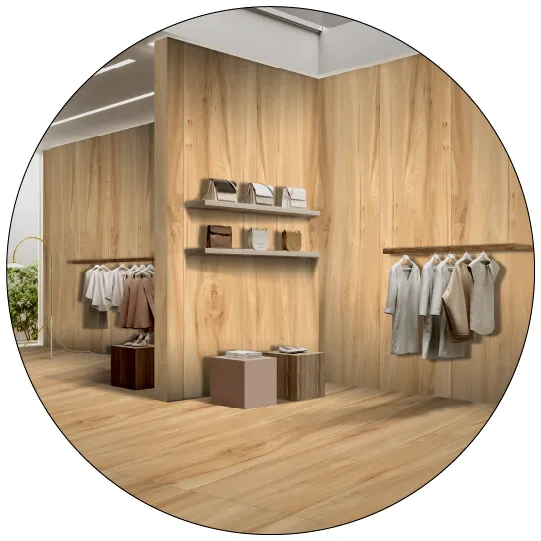
Suitable products may be specified for hotel lobbies, retail interiors, restaurants, offices, multifamily projects, reception desks, and lift surrounds. Flooring applications require special care because foot traffic, wet conditions, loads, and cleaning methods can affect performance.
Confirm that the chosen thickness and finish are approved for the floor. Slip performance, substrate flatness, movement joints, fixing materials, and installation guidance should all be reviewed before approval.
Porcelain slabs for architects and interior designers support coordinated design across several surfaces. One project may combine kitchen worktops, bathroom walls, counters, floors, and feature panels with related colors or patterns.
This flexibility makes porcelain slabs suitable for residential and commercial applications. Early sample review helps the design team understand scale, vein direction, finish, and how the slab will look under the project’s lighting.

A clear specification reduces delays and helps suppliers quote the correct product. Include the following points:
They may be used outdoors only when the selected product has supporting data for that purpose. Review UV, frost, thermal, and weathering information where relevant. The fixing system must also suit wind, moisture, movement, drainage, and the local climate.
Do not assume that every marble-look design is exterior-rated. Ask for written confirmation covering the exact thickness, finish, and application.
Ask the porcelain slab supplier for current data sheets, test reports, physical samples, batch photos, shade details, installation instructions, care guidance, and warranty terms. Check that each document refers to the product being ordered.
A small sample is useful for checking color and texture, but it may not show full pattern movement. For major projects, review a full slab or detailed batch images before final approval.
The general process starts with the selection and preparation of mineral-based raw materials. These materials are ground, blended, compacted, decorated, and fired. The slabs may then be calibrated or finished before inspection and packing.
Exact production methods vary by product. Buyers should rely on the manufacturer’s current technical documents rather than assuming that all porcelain is produced to the same specification.
Quality checks may cover dimensions, thickness, flatness, surface condition, shade, pattern, edges, water absorption, chemical performance, strength, and abrasion. The tests required will depend on the slab classification and planned use.
When reviewing a report, check the test date, laboratory, method, product name, thickness, finish, result, and sample description. A general “premium” label cannot replace product-specific evidence.
A reliable supplier should provide clear details about available sizes, thicknesses, finishes, designs, batch control, samples, order quantities, and replacement procedures. Commercial buyers should also ask about production capacity and support for repeat orders.
When comparing a porcelain slab manufacturer USA buyers can work with, first confirm the actual manufacturing location. A business may manufacture in the United States, hold stock through a local distributor, or export from another country to US customers.
The same care applies when evaluating a business described as a premium porcelain slab supplier in USA. Verify warehouse access, local samples, inventory, technical support, and delivery coverage rather than relying on search wording.
A search for a porcelain slab exporter USA does not always mean the company is based in the country. Confirm whether it has local stock or exports to the US market. This simple check gives buyers a clearer view of lead times, costs, and support.
A porcelain slab exporter for commercial projects should understand quantity planning, schedules, mock-ups, approvals, packaging lists, slab identification, and phased delivery. Hotels, shops, offices, and apartment projects may also need spare slabs for future repairs.
Ask how each crate and slab is identified. Clear records help project teams track designs, batches, finishes, and installation areas after the shipment arrives.

A mock-up lets the team review vein direction, seams, edges, joint color, lighting, and nearby materials. It also helps confirm how the chosen finish looks in the actual space. Approval before full production can prevent costly changes later.
Large slabs need suitable cutting tools, safe lifting methods, stable work areas, and trained installers. Adhesives, fixings, substrates, and joint details should follow the product instructions and the approved installation plan.
Cutting and fabrication can create respirable crystalline silica dust. Employers and workers should follow current OSHA requirements, use suitable dust controls, and apply wet cutting or other approved methods where required.
Porcelain Slabs Exporter in USA
The right supplier combines appealing designs with documented performance, consistent production, secure export packing, and practical project support. Before ordering, confirm the product data, samples, batch details, installation needs, delivery terms, and claim process.
Contact Ibis Smart Marble to discuss available porcelain slab sizes, finishes, technical documents, samples, quotations, and current supply options for residential and commercial projects in the USA.
Yes, a suitable slab can work well for kitchen countertops due to its low porosity and resistance to common stains. Good results depend on skilled fabrication, correct support, protected edges, and proper care.
The surface may offer strong scratch resistance, but exposed edges can be vulnerable to hard impact. Use cutting boards, avoid striking corners, and choose an experienced fabricator.
Porcelain generally handles normal kitchen heat well. Even so, avoid sudden thermal shock and follow the limits stated in the technical guide. Trivets are a simple way to protect the surface and nearby joints.
They differ in composition, production, edge appearance, heat response, UV suitability, and fabrication needs. Neither is best for every project. Compare product-specific data, design goals, installation details, and intended use.
There is no single best thickness. The right choice depends on the slab system, spans, support, edge design, cutouts, and fabricator requirements. Follow the manufacturer’s written instructions.

Whatsapp Chatx
Hi! Click one of our representatives below to chat on WhatsApp or send us email to info@ibissmartmarble.com

|
Contact Us +91 95812 95812 |