













7 October, 2026


Finding a dependable porcelain tiles manufacturer in Mexico, or an international manufacturer serving Mexican buyers, takes more than comparing designs. Importers, distributors, architects, contractors, and developers must also review technical performance, packing quality, order terms, and export support.
This guide explains the main tile types, surfaces, sizes, applications, and purchasing factors. It also covers what to check when choosing a porcelain tiles exporter to Mexico. Buyers interested in working with Ibis Smart Marble can request its latest catalog, product specifications, sample options, packing information, and export quotation before making a decision.
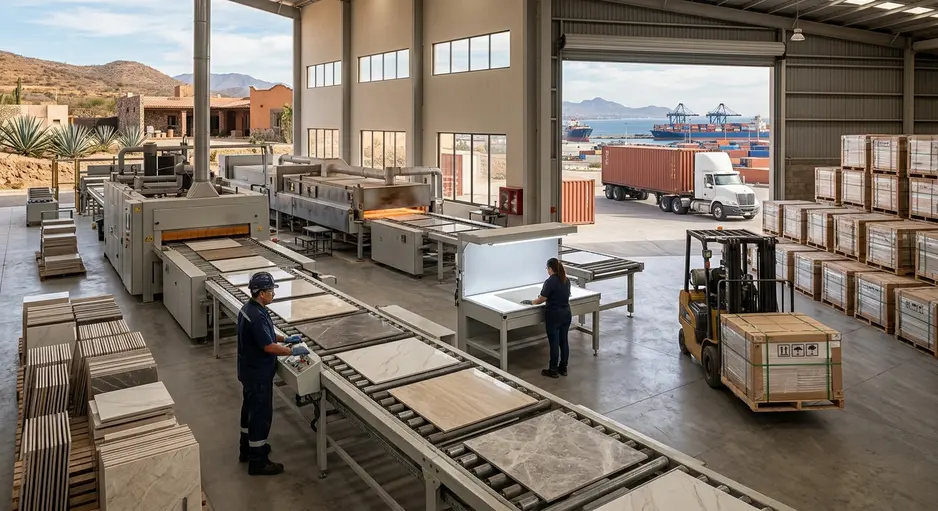
Porcelain tiles are used in homes, hotels, offices, stores, restaurants, and renovation projects. Their dense structure and design range make them suitable for many floors and walls. However, the right choice depends on the product’s tested performance and the needs of the installation area.
Many buyers consider porcelain because it can provide low water absorption, good stain resistance, and lasting surface performance. Available designs may resemble marble, natural stone, concrete, or wood. This allows project teams to create a preferred look while using a practical tile surface.
Porcelain is often selected as a durable flooring material for busy interiors. Certain products may also offer scratch-resistant tile surfaces, but no tile should be described as scratch-proof without test data. Product suitability must always be confirmed through technical documents.
A manufacturer produces tiles. A supplier stocks or sells products, while an exporter handles international orders, packing, documentation, and shipping coordination. One business may perform more than one of these roles.
When comparing a porcelain tile supplier in Mexico with an overseas company, ask who controls production, inspection, packing, and export records. Clear responsibility at each stage can reduce confusion if shade, caliber, quantity, or transit issues arise.
Vitrified porcelain tiles have a dense body designed for low porosity and dependable performance. Their exact water absorption and strength should be checked on the relevant technical data sheet.
Glazed porcelain tiles have a decorative surface layer. They are available in varied colors, patterns, and visual effects, making them useful for coordinated floor and wall designs. Wear suitability can vary, so buyers should confirm where each product may be installed.
With full-body porcelain tiles, the color and composition continue through the tile body. This may make some products useful for demanding locations where visible wear is a concern. Still, full-body construction alone does not prove that a tile is right for every commercial space.
Polished porcelain surfaces can create a bright, refined appearance in living spaces, reception areas, and decorative interiors. Matte porcelain surfaces offer a softer look and are often considered where traction is a priority.
Finish alone does not confirm slip resistance. Buyers should request relevant test results and consider moisture, drainage, cleaning methods, and expected use. Wet bathrooms, commercial entrances, and dry living rooms may each need a different surface rating.
Rectified porcelain tiles have mechanically finished edges for more consistent dimensions. When the substrate is prepared well, they can support narrow and uniform grout joints. They still require grout, movement planning, and correct installation. “Rectified” never means “grout-free.”
Common uses include bathroom tile applications, kitchen flooring solutions, living-room floors, feature walls, hotel interiors, offices, and retail areas. Buyers seeking porcelain floor tiles in Mexico should match wear and slip performance to expected traffic.
For porcelain wall tiles in Mexico, installers must consider tile weight, substrate strength, adhesive choice, and fixing methods. Product specifications should also state whether the selected tile is intended for flooring, walls, or both.
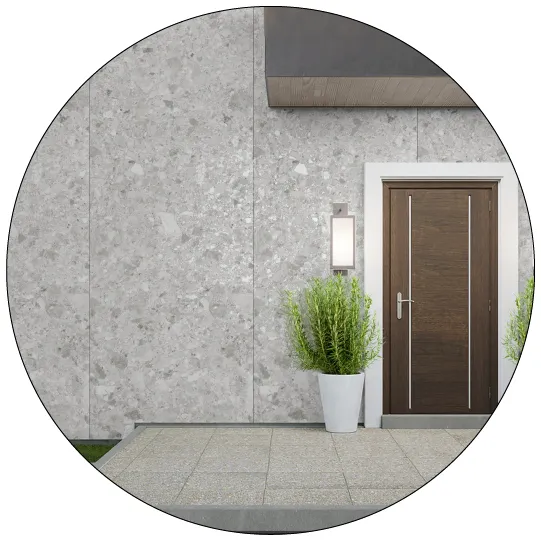
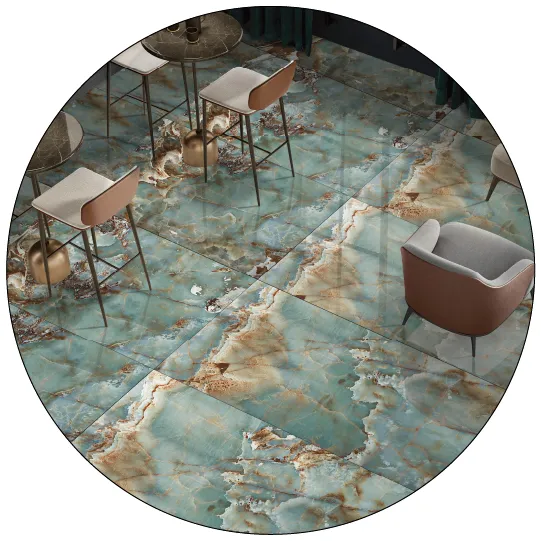
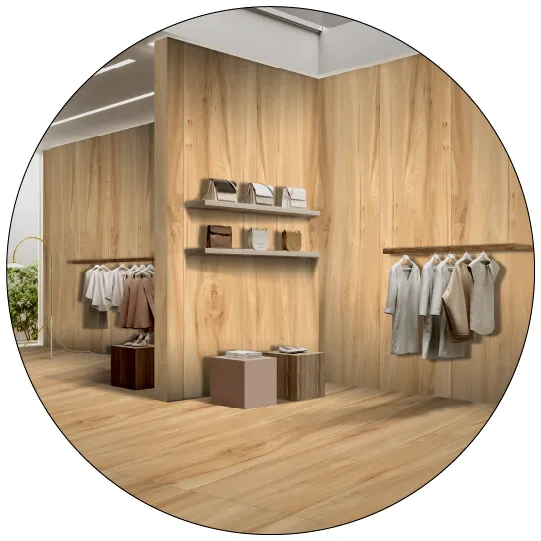
Porcelain tile sizes and finishes may include square formats, rectangular formats, plank-style products, large tiles, and slabs. Surface choices can include polished, matte, textured, stone-look, marble-look, concrete-look, and wood-look effects.
Do not rely on nominal size alone. Ask for the actual calibrated dimensions, thickness, edge type, and permitted variation. These details affect joint planning, layout, cutting, and the amount of material required.
Large-format porcelain tiles in Mexico can reduce the number of grout lines and produce a clean, continuous look. They can work well across open floors and broad wall surfaces. Large slab applications may also be considered for architectural cladding, furniture surfaces, or counters when the product is approved for that use.
These formats require careful installation. The substrate must be flat, mortar coverage must be suitable, and installers need the correct lifting and cutting tools. Large slabs may require specialist teams and mechanical handling equipment.
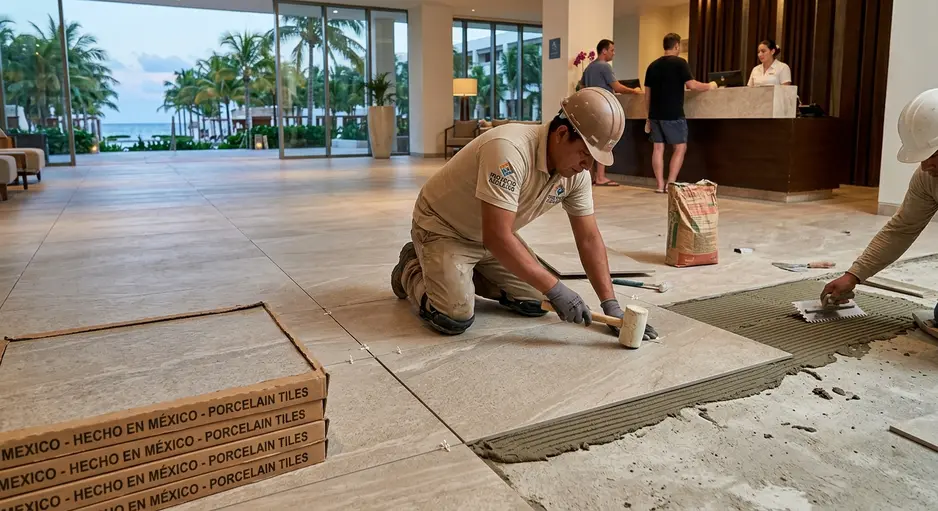
A reliable supplier should provide clear product information before requesting a firm order. Use the following questions when comparing a local distributor, a wholesale porcelain tile supplier in Mexico, or an overseas export company.
A tile may look impressive in a catalog but perform poorly in the wrong setting. Buyers should review water absorption, breaking strength, surface quality, dimensional consistency, and stain or chemical resistance. Wear data is important for commercial flooring solutions, while slip-resistance information matters in wet or high-risk areas.
Avoid unverified claims such as “scratch-proof” or “slip-proof.” Performance depends on the tile, finish, location, maintenance, and installation. Written specifications are more reliable than broad sales terms.
Exact requirements depend on the product, shipment, and importer. Common documents may include a commercial invoice, packing list, bill of lading, product specifications, customs classification details, and insurance records. A certificate of origin or inspection report may also be needed in some cases.
When wood pallets or crates are used, the buyer should confirm whether compliant wood-packaging documentation is required. Every detail should be reviewed with an experienced Mexican customs broker before dispatch.
Export packaging should protect tile edges, corners, and surfaces. Cartons need clear labels showing the product, size, shade, caliber, batch, and quantity. Large formats may require reinforced pallets or crates, secure strapping, and moisture protection.
Container planning must also account for pallet weight and balanced load distribution. Buyers can request loading photographs and a final carton count. Projects should keep an appropriate spare quantity for transit damage, cutting, and future repairs.
A porcelain tiles manufacturer and exporter to Mexico should provide accurate commercial documents, but the importer remains responsible for local compliance. Confirm the HS code, duties, VAT, customs records, labeling rules, and applicable Mexican requirements with qualified professionals.
Tile products often fall within HS heading 6907, but the exact classification can vary. Do not rely on a general heading to calculate landed cost. A customs broker should verify the current code and charges for the actual shipment.
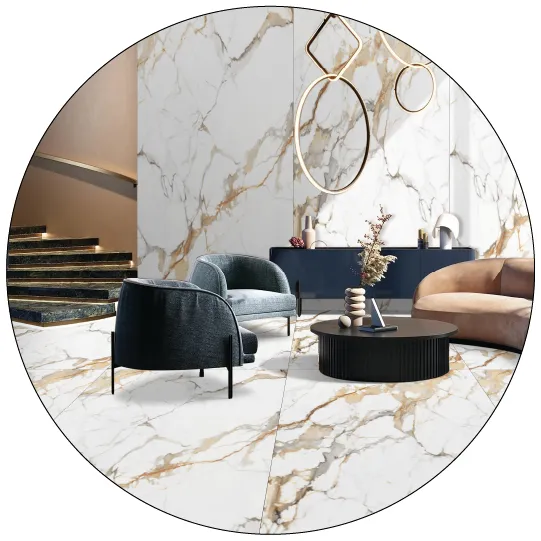
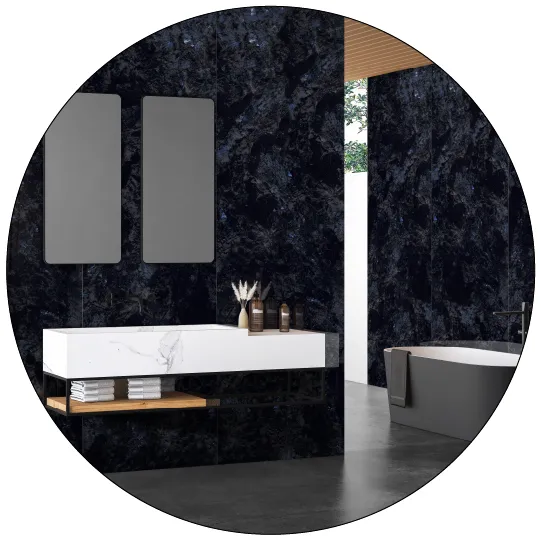
Porcelain tiles for residential projects in Mexico can serve kitchens, bathrooms, living areas, and feature walls. Kitchens often need easy-care surfaces, while bathrooms require careful attention to moisture and traction. Marble-look designs can create an elegant living area without using natural marble throughout the space.
For a large-format bathroom wall, the installer should first check substrate flatness and strength. The team must then choose a suitable adhesive and handling method. Experienced installation is vital because larger pieces are harder to lift, align, and cut.
Hotels, restaurants, stores, offices, and common areas may face heavy foot traffic and frequent cleaning. Procurement teams should assess wear performance, slip resistance, maintenance needs, replacement stock, and installation downtime before approving a product.
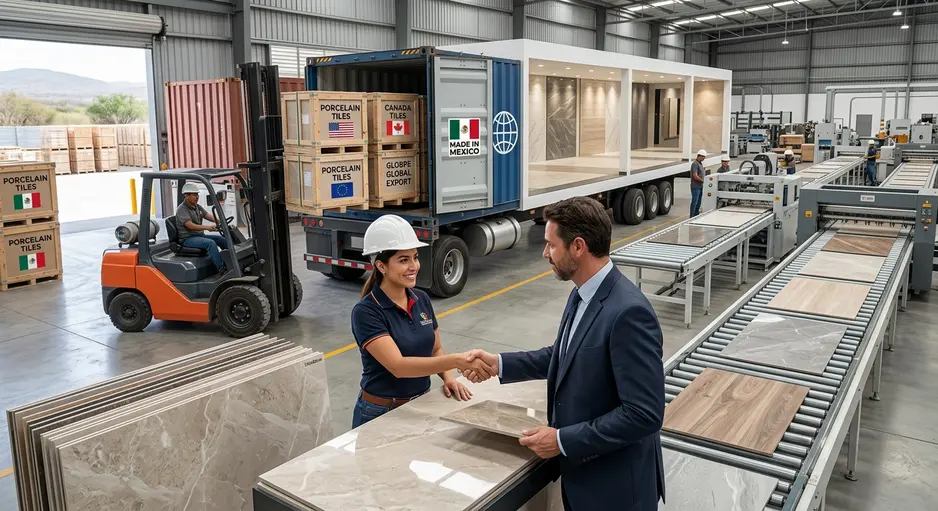
An export-focused supplier may support wholesale quantities, sample coordination, quality checks, packing, and container planning. Depending on the company’s confirmed services, buyers may also be able to discuss customized packaging and suitable Incoterms.
When evaluating an Indian porcelain tile exporter to Mexico, verify its role, product range, factory details, available finishes, minimum order quantity, testing records, sample policy, and shipping terms. Do not assume that an exporter owns a manufacturing unit unless this is confirmed in writing.
Buyers considering Ibis Smart Marble should request its latest porcelain tile catalog and verify all product and commercial details directly. Ask for technical specifications, sample availability, packing information, lead times, and a written export quotation for Mexico.
Porcelain Tiles Manufacturer and Exporter in Mexico
Choosing the right porcelain tiles manufacturer in Mexico or international supplier requires a balance of design, performance, service, and landed cost. Compare technical documents, approve samples, confirm batch controls, and put packing and claim terms in writing.
For porcelain tiles for flooring and walls in Mexico, select each product according to its actual use rather than appearance alone. Contact Ibis Smart Marble to request current product information, specifications, samples, packing details, and an export quotation suited to your project.
Porcelain generally has a denser body and lower water absorption than standard ceramic tile. However, the name alone does not confirm performance. Buyers should review test results and choose a product suited to the planned location.
Yes, when the size, thickness, finish, weight, and technical performance suit the application. The substrate, adhesive, grout joints, and installation method must also be appropriate for the tile.
They may suit bathroom walls or some dry areas. Floor use depends on tested slip resistance, drainage, cleaning methods, and moisture exposure. A matte or textured surface may be more suitable in some wet locations.
Rectified tiles provide more consistent edges and can support neat, uniform grout layouts. They still need grout joints, movement accommodation, a flat substrate, and professional installation.
Check the company’s manufacturing or sourcing role, samples, test reports, export experience, packing process, Incoterms, and written quality controls. Confirm how claims, damage, and shortages will be managed.

Whatsapp Chatx
Hi! Click one of our representatives below to chat on WhatsApp or send us email to info@ibissmartmarble.com

|
Contact Us +91 95812 95812 |